
7 Costly Website Mistakes That Are Losing Small Businesses Customers in 2026 (And How to Fix Them)
7 Costly Website Mistakes That Are Losing Small Businesses Customers in 2026 (And How to Fix Them)
Your website is often the first place customers meet your business, but small mistakes can quietly push them away.
Many businesses spend money building a website but lose potential customers because the experience is slow, confusing, or outdated.
In this blog, you will discover seven common website mistakes costing small businesses customers in 2026 and simple ways to fix them.
By the end, you will know how to turn your website into a tool that attracts visitors, builds trust, and increases sales.
1. Having a Slow Website That Makes Visitors Leave

Imagine searching for a service online and clicking a website that takes forever to load. What would you do? Most people will leave and find another business.
Website speed is one of the biggest factors affecting customer experience. In 2026, people expect websites to load quickly on both computers and mobile devices. A slow website can make your business look unprofessional and unreliable.
For example, a small clothing store may have beautiful product photos, but if customers wait five seconds before seeing the page, many will leave before checking the products.
How to fix it:
Compress large images before uploading them.
Choose a reliable website hosting provider.
Remove unnecessary plugins and website features.
Use tools like Google Page Speed Insights to check your website speed.
Make sure your website works smoothly on mobile devices.
A faster website keeps visitors interested and gives them a reason to stay.
2. A Website That Is Not Mobile-Friendly
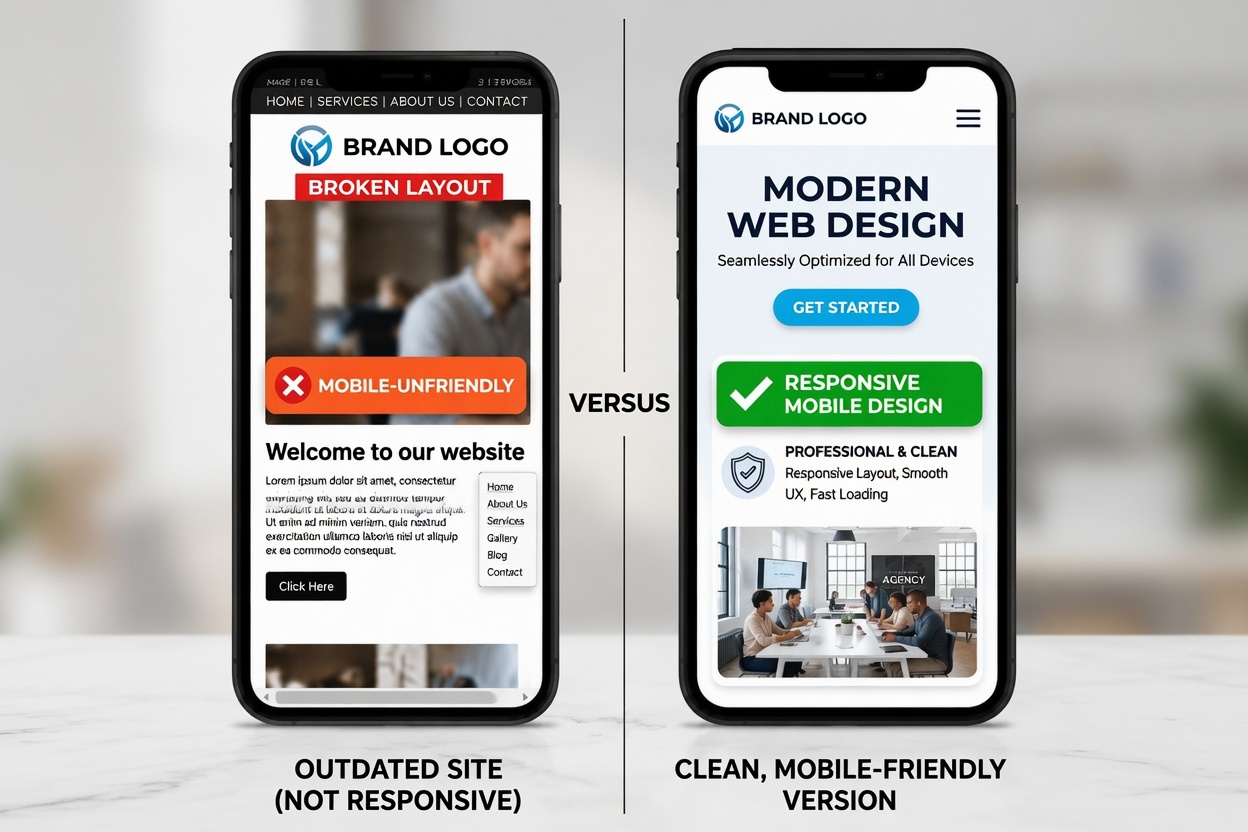
Most customers are searching from their phones. If your website only looks good on a desktop, you are losing potential buyers.
A customer might discover your business while scrolling through social media, click your website link, and find that the text is too small, buttons are difficult to press, or pages do not display correctly.
For example, a local restaurant could lose orders because customers cannot easily view the menu or find the reservation button on their phones.
How to fix it:
Use a responsive website design.
Test your website on different phone sizes.
Make buttons large enough to tap easily.
Keep important information visible without too much scrolling.
Make contact forms simple and easy to complete.
A mobile-friendly website helps customers take action faster.
3. Unclear Messaging That Confuses Visitors

When someone visits your website, they should understand three things quickly:
Who you are.
What you offer.
How you can help them.
Many small businesses make the mistake of using complicated words or talking too much about themselves instead of focusing on customer problems.
For example, instead of saying:
“We provide innovative digital transformation solutions through advanced technology.”
A clearer message would be:
“We help small businesses build websites that attract customers and increase sales.”
Your visitors should not have to guess what your business does.
How to fix it:
Use simple language.
Explain benefits, not just features.
Add a clear headline on your homepage.
Tell customers what action to take next.
Answer common customer questions.
Clear communication builds trust and helps customers choose you.
4. Missing Strong Calls-to-Action (CTA)
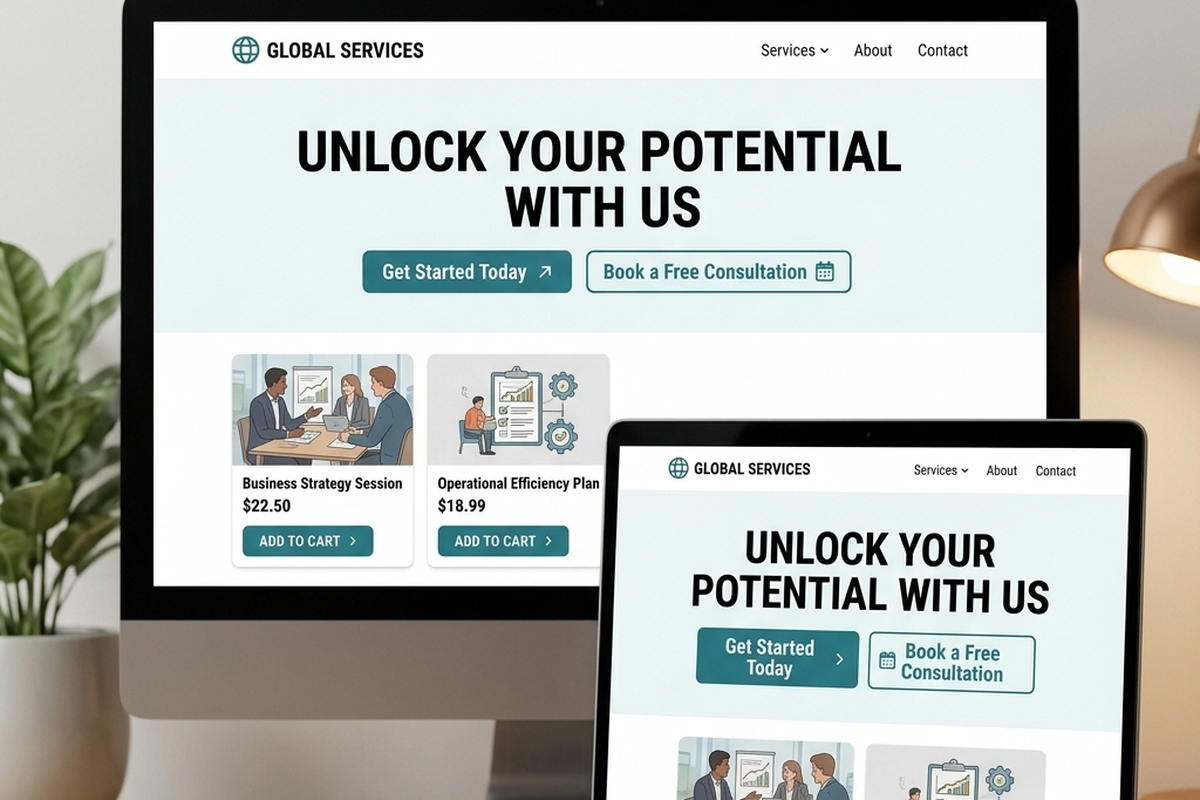
A website can attract visitors but still fail to generate customers if it does not tell people what to do next.
A common mistake is having a beautiful website with no clear direction. Visitors look around and leave because they do not know how to contact you or make a purchase.
For example, a marketing agency may explain all its services but forget to add a button encouraging visitors to schedule a consultation.
How to fix it:
Add clear calls-to-action such as:
“Get Your Free Quote”
“Book a Consultation”
“Start Your Project Today”
“Contact Our Team”
Place CTAs in important areas:
Homepage
Service pages
Blog posts
Contact page
A good CTA turns website visitors into potential customers.
5. Ignoring Search Engine Optimization (SEO)
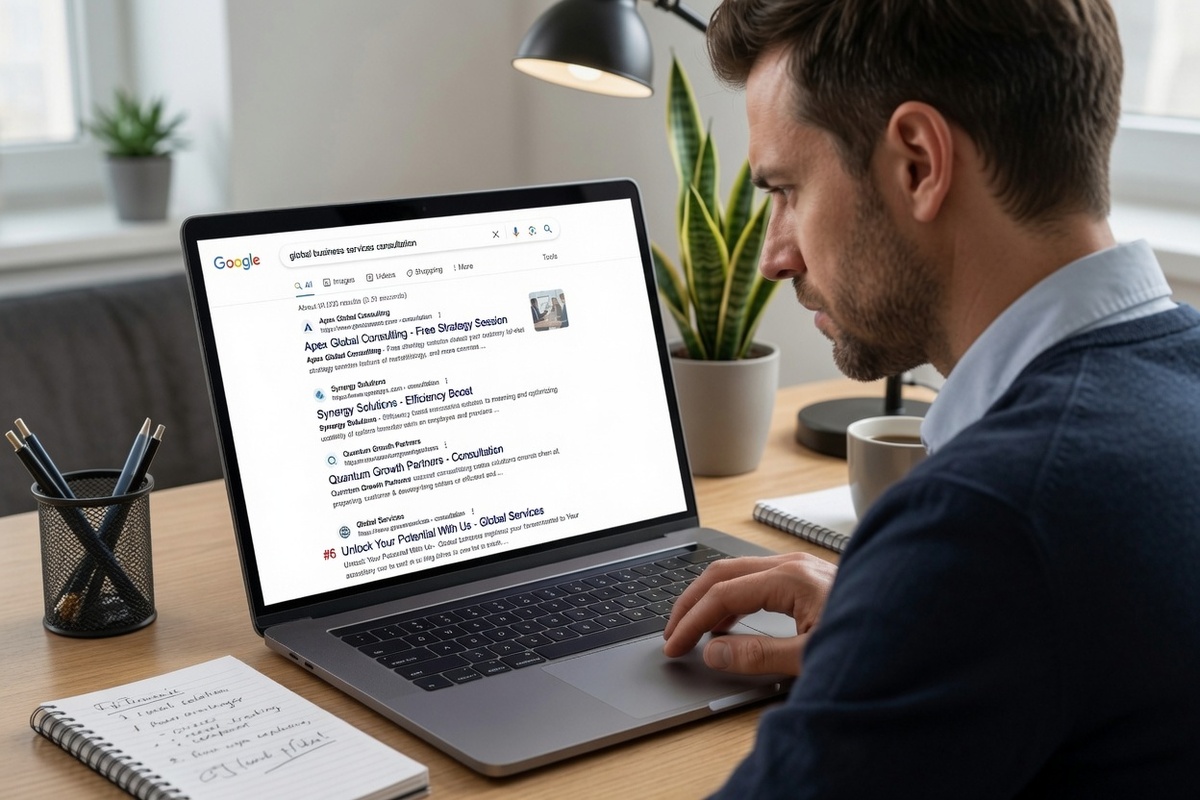
Having a website is not enough. Customers need to find you.
Many small businesses build websites but forget about SEO. Without SEO, your website may not appear when people search for your services online.
For example, if someone searches “best website designer near me” and your website does not appear, they may choose a competitor instead.
How to fix it:
Research keywords your customers search for.
Add keywords naturally to your website pages.
Write helpful blog posts.
Optimize page titles and descriptions.
Create location-based content if you serve a specific area.
SEO helps your business become visible to people already looking for what you offer.
6. Poor Website Design That Does Not Build Trust
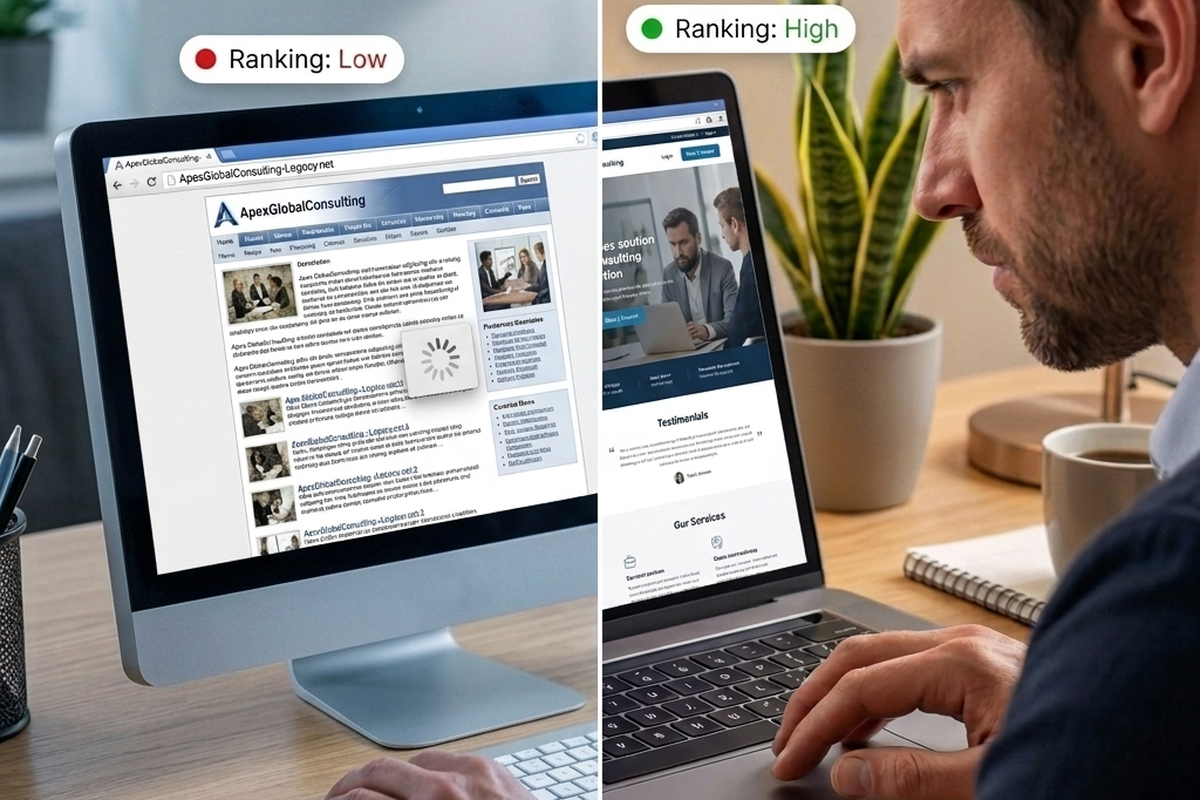
Your website design creates an immediate impression. Visitors often decide within seconds whether they trust your business.
An outdated design, broken links, poor-quality images, or inconsistent branding can make customers question your credibility.
Think about it: Would you trust a company with a website that looks like it has not been updated for ten years?
A professional design does not mean adding too many animations or complicated features. It means creating a clean, simple, and easy experience.
How to fix it:
Use consistent brand colors and fonts.
Add high-quality images.
Keep the layout clean.
Display customer reviews and testimonials.
Make navigation simple.
A trustworthy website helps customers feel confident choosing your business.
7. Not Updating Website Content Regularly
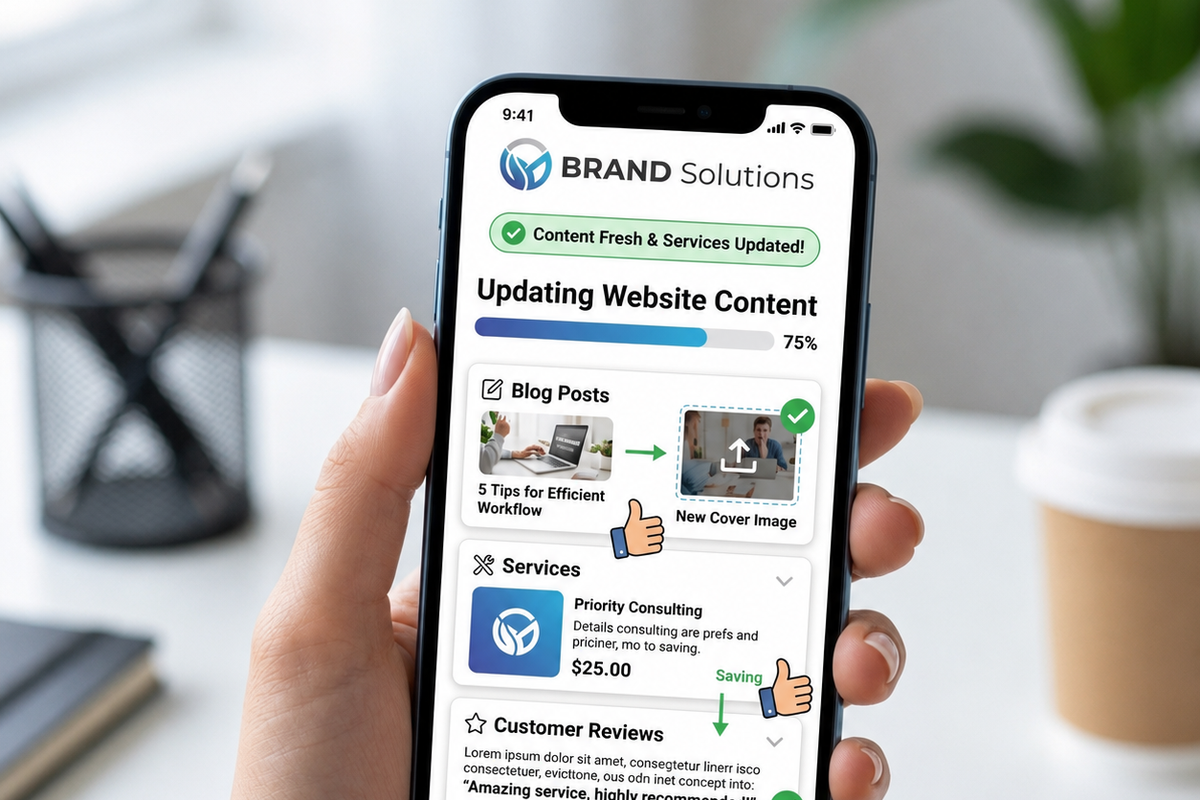
A website that never changes can make your business look inactive.
Customers want current information. They want to know your latest services, offers, reviews, and updates.
For example, if a customer sees your website advertising an old service or outdated business hours, they may lose confidence and move to another company.
How to fix it:
Update your services regularly.
Add fresh blog content.
Keep contact information accurate.
Update customer testimonials.
Refresh outdated images and pages.
A website should grow as your business grows.
Conclusion: Turn Your Website Into a Customer-Generating Machine
Your website is more than an online brochure. It is a powerful tool that can help you attract customers, build trust, and grow your business.
The biggest website mistakes small businesses make include slow loading speeds, poor mobile experiences, unclear messaging, weak CTAs, missing SEO, outdated designs, and neglected content.
The good news is that these problems can be fixed. By improving your website experience, you give customers a better reason to choose your business over competitors.
Is your website making customers stay or sending them away? Get a professional website review today and discover how you can turn your website into a tool that brings more leads and sales.
